
Fridge error codes often indicate a problem with the cooling, fan, defrost or temperature sensor. On this page you will find an overview of the most common error messages of refrigerators and freezers of various brands, including the recommended solution. Many problems are related to icing, ventilation or electronics.
Modern refrigerators from Bosch, Siemens, Electrolux, AEG, Zanussi or Neff and other common manufacturers are equipped with error messages that help to detect the defect and facilitate the repair of the refrigerator.
On this page you will find an overview of the most common error codes and refrigerator messages, their meaning and simple solutions. You will learn what the individual errors mean, why they occur and how to repair the refrigerator yourself. In many cases, the problem can be solved with routine maintenance or replacement of a spare part.
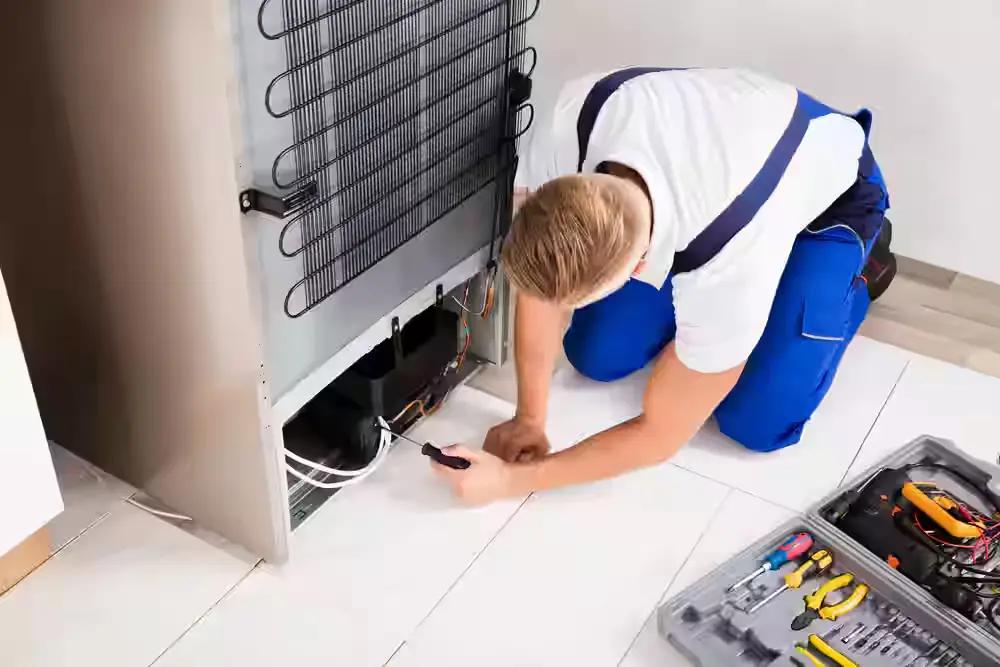
Error codes for refrigerators – Bosch / Siemens / Neff
E1 / E2 - temperature sensor error
E3 - freezer or defrost problem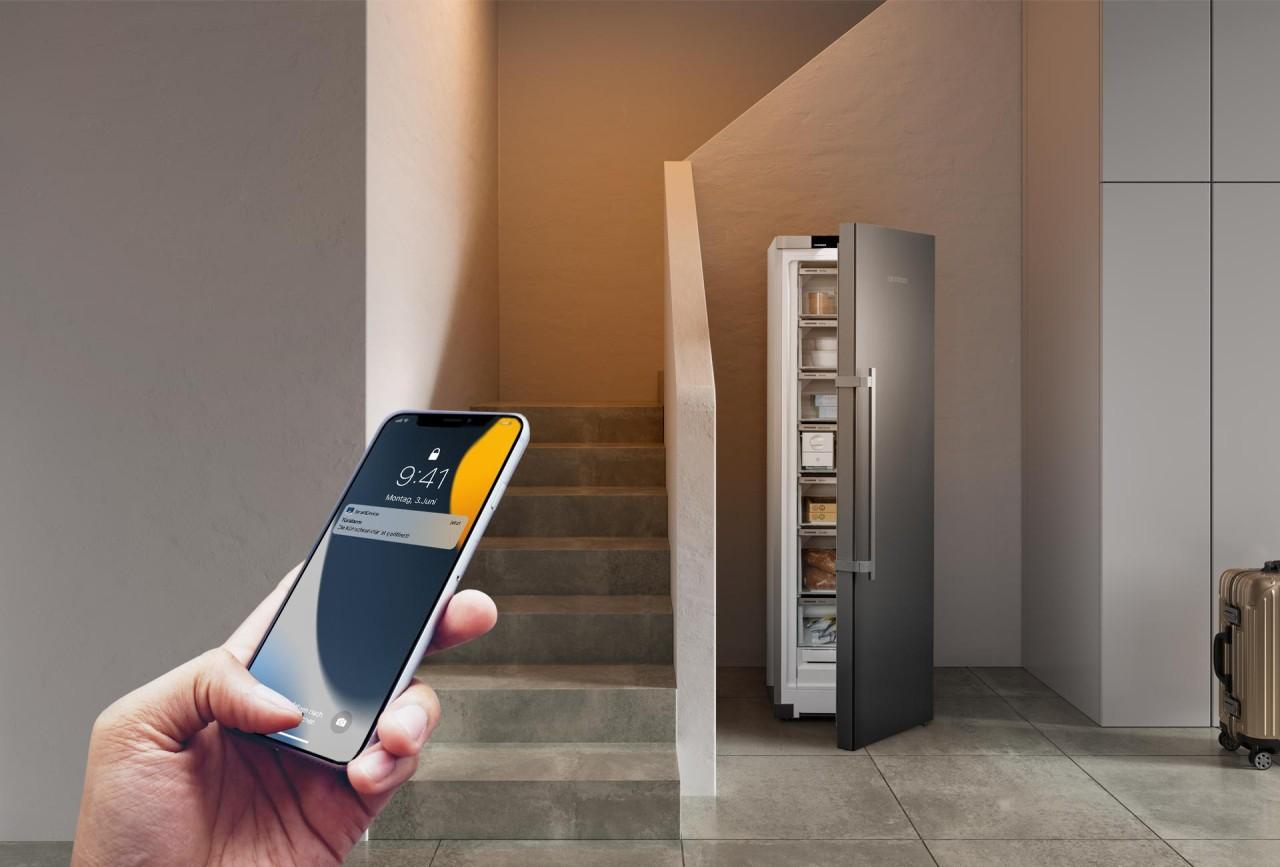
E4 - fan error
E9 - defrost system problem
E15 - water leak or safety sensor activated
Alarm / flashing temperatures - high temperature inside the fridge or door open
Super Freeze flashing - cooling or freezer temperature problem
Open Door - door not closed properly
Most common causes of errors:
- temperature sensor problem
- faulty fan
- clogged defrosting
- door open
- electronics problem or water leak.
Error codes for refrigerators – Electrolux / AEG / Zanussi E1 – chyba teplotního čidla
- E2 - cooling problem
- E3 - defrosting error
- E10 - valve or air flow problem
- E20 - water drain problem
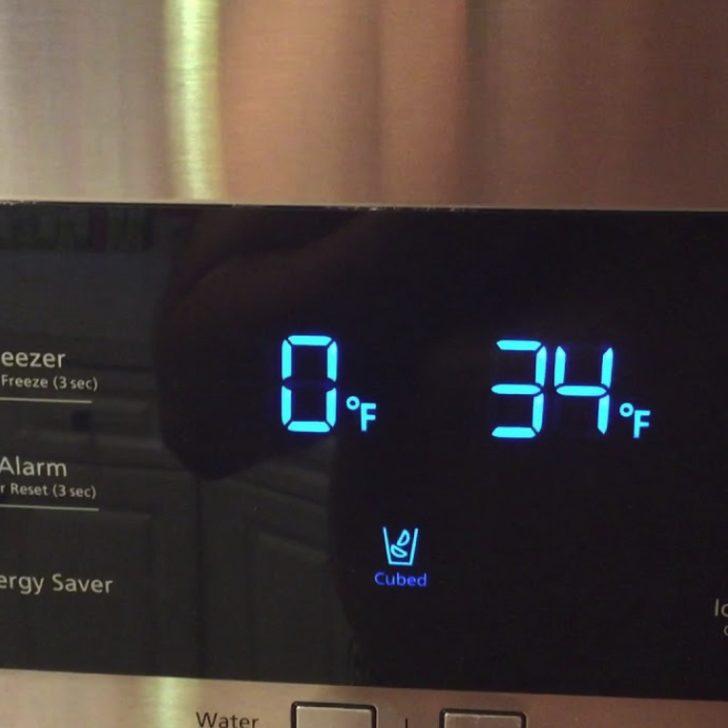
- High Temp Alarm - high temperature inside the fridge or freezer
- Door Alarm - door open Filter Alarm - filter or maintenance alert
- Power Failure - power failure
Most common causes of errors:
- clogged condensate drain
- fan problem
- faulty temperature sensor
- defrost system problem
- door not closed properly.
Error codes for refrigerators – Whirlpool / Indesit
- F01 / F02 - electronics error
- F03 - temperature sensor problem
- F07 - fan error
- F09 - defrost problem
- AL01 / AL02 - high temperature alarm
- Door Open - door open
- Service - general service error
Most common causes of errors:
- electronics fault,
- cooling problem
- fan malfunction
- faulty sensor
- clogged defrosting
Error codes for refrigerators – Samsung
- 1E / 2E - temperature sensor error
- 5E - problem with water drain or defrosting
- 8E - fan or motor error
- rd - door not closed properly
- OF OF - refrigerator demo mode
- PC ER - electronics communication problem
Most common causes of errors:
- sensor problem
- clogged drain
- fan error
- door not properly closed
- problem electronics.
The refrigerator does not cool. The fridge is running but not cooling enough.
Possible causes:
- wrong temperature setting
- clogged condenser
- faulty thermostat
- compressor problem
Solution:
- check the temperature setting
- clean the back of the fridge
- check ventilation
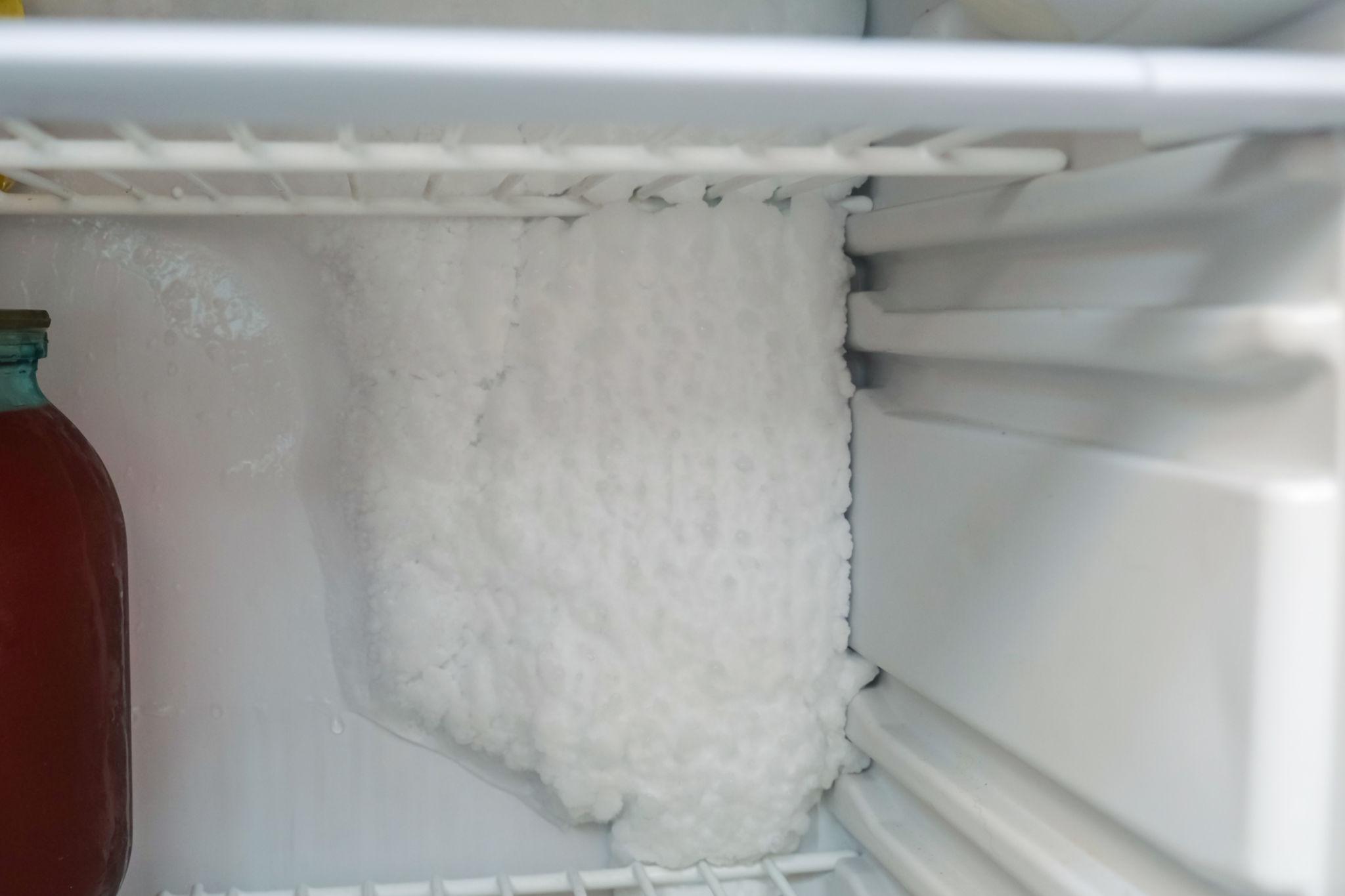
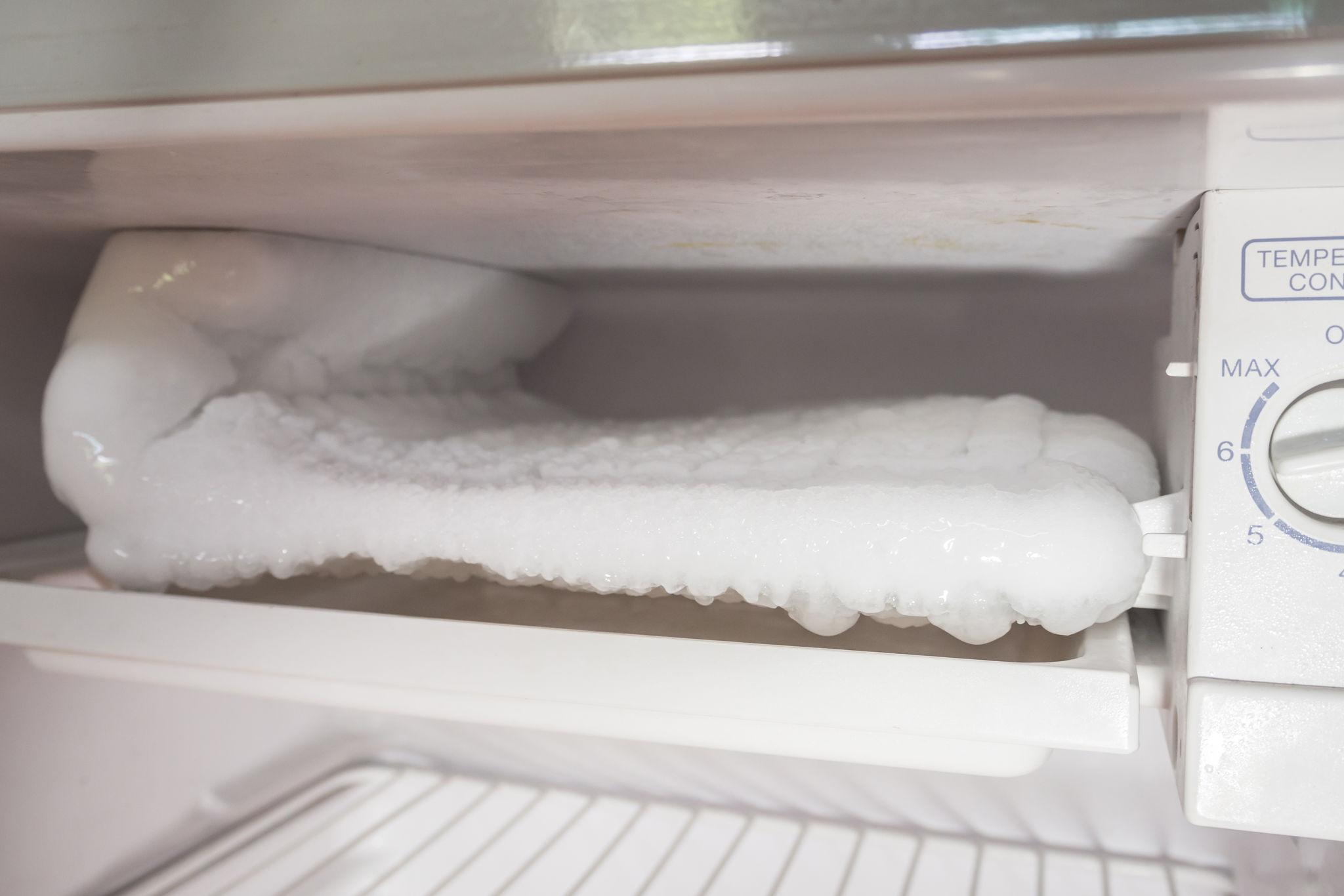
The fridge freezes. Excessive frost forms on the back wall or in the freezer.
Possible causes:
- defective door seal
- frequent opening
- defrosting problem
Solution: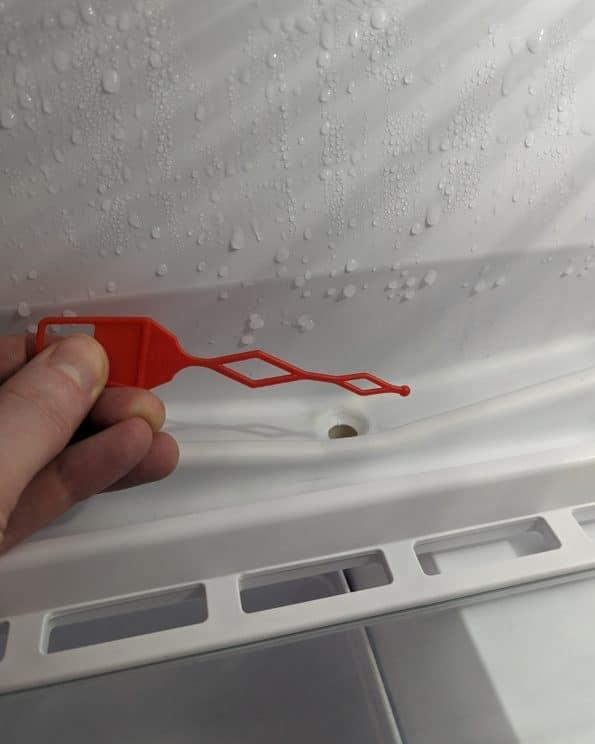
- check the seal
- defrost the refrigerator
- restrict door opening
The refrigerator reports a high temperature (alarm). A high temperature warning will appear on the display.
Possible causes:
- door open
- putting in hot food
- refrigeration failure
Solution:
- close the door
- let the refrigerator cool down
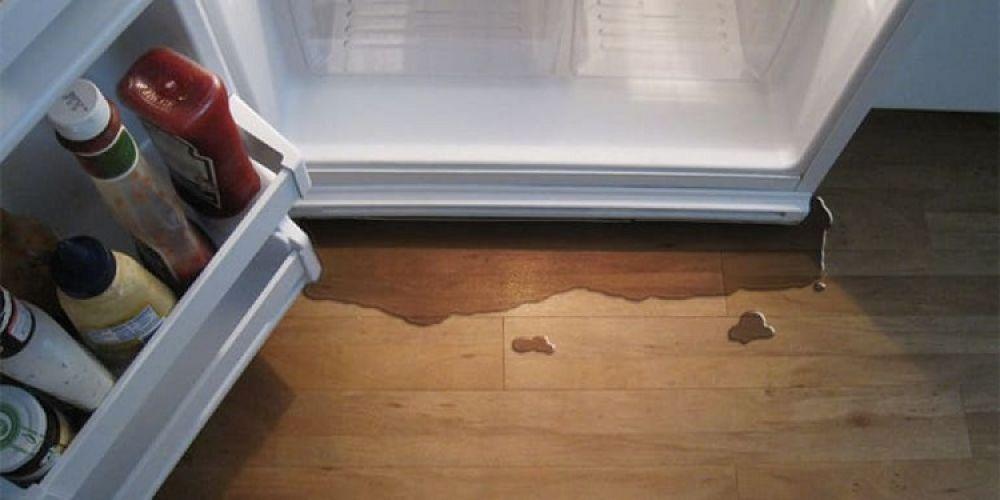
- check the seal The refrigerator is leaking (water inside or under it).
Is there water inside the refrigerator or under the appliance.
Possible causes:
- clogged condensate drain
- cracked container
- bad seal
Solution:
- clean the drain
- check the container
- check the seal
The refrigerator is noisy. Refrigerator makes unusual noises.
Possible causes:
- vibration
- fan
- compressor
Solution:
- check alignment
- check rear
- remove obstructions
Fridges can also beep. A refrigerator usually beeps to warn of an open door, a higher internal temperature or another common condition that does not require a complex repair. Unlike some other appliances, the number of beeps does not have a universal meaning. Check the display or indicator lights to identify the cause. In most cases, closing the door, checking the seal or allowing the refrigerator to cool after adding food is sufficient.
Many faults can be solved by a simple inspection or replacement of common parts. However, if you are not sure of the cause or if it is an intervention in the wiring or electronics, we recommend that you contact a qualified service, as such repairs can be dangerous.
For a more precise determination of the defect, it is advisable to know the exact model of the refrigerator and the specific error code or message from the display.